
Is upholstery cleaning safe for children and pets? Yes, when the fabric is assessed correctly, suitable products are used at the proper dilution, residues are extracted and the furniture is allowed to dry fully. The method matters more than labels such as “child-safe” or “pet-safe”. A responsible technician should identify the material, explain the treatment and advise when children and animals can use the furniture again.
This guide explains what may collect beneath the surface and what safer professional care should involve.
The Clear Answer For Parents & Pet Owners
Professional sofa care can be appropriate for family homes when:
- The material is inspected before treatment.
- Products are suitable for the fabric and household.
- Manufacturer instructions are followed.
- Moisture and residues are thoroughly removed.
- Furniture is left unused until sufficiently dry.
No process can make a home permanently sterile or completely allergen-free. The realistic aim is to remove embedded debris, reduce contamination and leave the furniture properly rinsed and dried.
What Can Build Up Inside Upholstery?
Sofas and chairs are used for relaxing, eating, sleeping and spending time with pets. Even when they look clean, fibres, seams and cushions may hold materials that ordinary vacuuming cannot reach.
- Dust & Skin Cells: Dust can settle beneath cushions and within fabric fibres. Soft furnishings also collect skin cells naturally shed during daily use. Dust mites and their allergens are commonly found in bedding and upholstered furniture, although they cannot be removed completely from a home.
- Pet Hair & Dander: Loose fur is only part of the issue. Dander consists of tiny skin particles that can settle inside fabric after visible hair has been removed. Pet hair may also carry pollen, dust and other allergens indoors.
- Food, Oils & Residues: Crumbs, drinks, body oils and hair products can gradually move beneath the visible surface. They may contribute to stale smells, darkened armrests and areas that attract fresh soil. DIY sprays can also leave sticky residues when used too heavily or not rinsed properly.

Does Hidden Dirt Make Furniture Unsafe?
Not necessarily. Normal use does not automatically make a sofa harmful, and a visible stain does not prove that bacteria are present.
A deeper treatment may be helpful when you notice:
- Persistent odours
- Darkened arms or headrests
- Repeated pet accidents
- Sticky areas after DIY treatment
- Heavy staining or general soiling
- Furniture that has not received deeper care for several years
Persistent breathing problems, wheezing or skin reactions should be discussed with a healthcare professional. Furniture care is not a replacement for medical advice.
What Safer Professional Treatment Involves
A suitable process should be adapted to the item rather than applied automatically.
- Fabric Assessment: The technician should identify the fibre, construction, condition and care instructions where available. Natural, synthetic and blended fabrics may respond differently to moisture and treatment products.
- Testing & Pre-Treatment: A hidden area may be tested for colour stability. Stains and heavily used sections can then receive targeted pre-treatment rather than stronger products being applied across the entire item.
- Controlled Extraction: Extraction removes loosened soil, moisture and product residue. Thorough recovery is important because overwetting can lengthen drying times and affect cushion fillings.
- Proper Drying: Furniture should not be used until it is sufficiently dry. Seams and internal padding may remain damp after the surface feels dry. Drying time depends on the material, filling, airflow, temperature, humidity and treatment method. Faster water recovery can reduce disruption, but all drying times remain estimates.
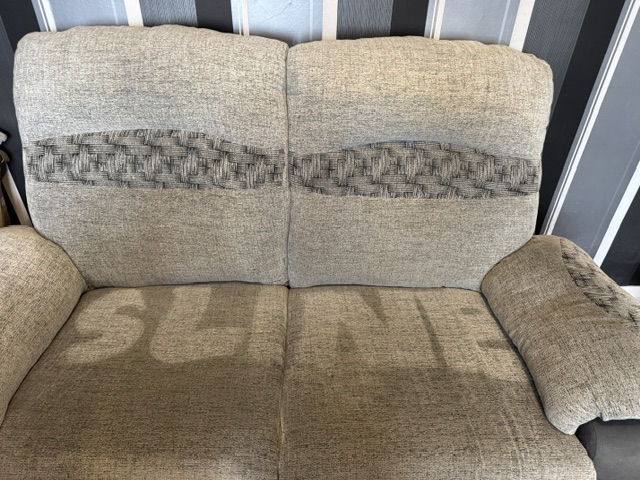
S Line Cleaning follows a structured process involving assessment, targeted treatment and deep extraction using specialist equipment where appropriate. Read more about how our cleaning process works.

What Does Hospital-Grade Mean?
Hospital-grade describes the intended standard or classification of a product. It does not mean that a treated sofa becomes sterile or that every microorganism is permanently removed.
Results still depend on:
- Correct dilution
- Suitable contact time
- Effective extraction
- Proper drying
- The type of contamination
- The condition of the fabric
S Line Cleaning uses hospital-grade detergents as part of its family-focused approach. The practical benefit is a structured process that considers product choice, hygiene, residue removal and aftercare, rather than promising complete sterilisation.
Can Professional Care Help With Allergens?
Professional treatment may help remove accumulated dust, pet debris and other particles from fabric, but it cannot make a home allergy-proof.
Allergens may also be present in mattresses, rugs, carpets and pet bedding. Helpful household measures include:
- Vacuuming with a suitable attachment
- Washing removable covers as directed
- Ventilating rooms
- Washing pet bedding regularly
- Managing indoor humidity
- Seeking medical advice for persistent symptoms
Households concerned about bedrooms may also wish to explore professional mattress cleaning.

Common DIY Mistakes
Small spills do not always require professional help, but the wrong response can make the problem worse.
- Scrubbing Stains: Rubbing can spread a mark or damage the pile. Blot gently with a clean, colourfast cloth.
- Using Too Much Water: Overwetting may cause tide marks and move contamination further into the cushion.
- Applying Untested Products: Always follow the care label and test an approved product in a hidden area.
- Mixing Chemicals: Never combine household products unless the manufacturer specifically confirms it is safe.
- Masking Pet Smells: Fragrance may hide an odour temporarily without addressing the source. Repeated accidents may require specialist pet odour removal.
Keeping Furniture Fresher
Simple habits can reduce build-up between professional visits:
- Vacuum seats, seams and beneath cushions.
- Rotate removable cushions regularly.
- Blot spills promptly.
- Follow the manufacturer’s care instructions.
- Groom pets and wash their bedding.
- Improve ventilation where practical.
- Avoid overusing household sprays.
These steps cannot replace deeper treatment, but they can help protect the fabric.
When Should You Seek Professional Help?
Consider professional support when:
- A stain remains after careful blotting.
- Pet odours return after drying.
- The fabric is delicate or unknown.
- DIY products have left a sticky residue.
- A large area is affected.
- Cushions have been overwet.
- Furniture needs refreshing before guests or new tenants arrive.
Spring, school holidays and the period before hosting visitors can be practical times to assess frequently used sofas and chairs.
Families across Chester and surrounding areas can learn more about professional upholstery cleaning before deciding whether deeper treatment is suitable.
Frequently Asked Questions
Can Children Use Furniture Straight After Treatment?
Only once it is sufficiently dry and the technician confirms it is ready. Internal padding may remain damp after the surface feels dry.
Is Sofa Treatment Safe For Pets?
It can be when suitable products and methods are used correctly. Tell the technician about animals that lick fabrics or have respiratory sensitivities.
Will It Remove Every Allergen?
No. It may reduce accumulated dust and dander, but no responsible provider should promise allergen-free furniture.
Can Every Fabric Be Wet Cleaned?
No. Some fibres, dyes and finishes require low-moisture or specialist methods. Inspection should take place before treatment.
How Often Is Professional Care Needed?
There is no fixed schedule. Daily use, children, pets, spills, odours and fabric type should guide the decision.
Make An Informed Choice For Your Home
Professional treatment can be suitable for homes with children and pets, but safety should not depend on a marketing phrase alone. Ask what products will be used, how the fabric will be assessed, how residues will be removed and when the furniture can be used again.
For advice about a sofa, chair or other soft furnishing, contact S Line Cleaning to discuss your household’s needs. Sharing photographs and details about stains, pets or previous treatments can help the team recommend a suitable next step.